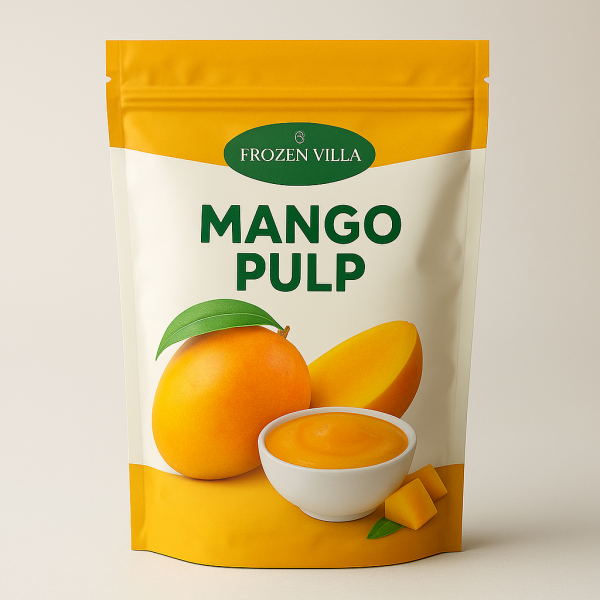
Natural Flavor: Mango pulp retains the natural flavor, sweetness, and aroma of the ripe mango. Puree: It’s a creamy, smooth consistency similar to a puree, with the fibers from the fruit removed Processing & Preservation: The pulp can be processed through centrifugation and homogenization. It is then often thermally processed for sterilization and packed aseptically in bags,or frozen
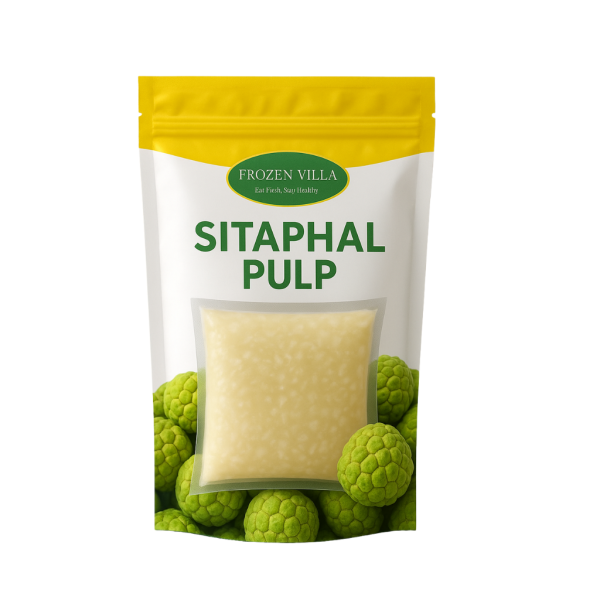
Appearance and texture Color: The pulp is typically creamy white or light yellow. Some varieties may have a slight blush of pink. Segments: The fruit is unique in that it is segmented; the flesh clings to individual seeds, and these segments tend to separate from one another when the fruit is ripe. Consistency: The pulp has a smooth yet slightly grainy and slippery consistency. It is very soft when ripe. Seeds: Numerous inedible, hard, shiny brown to black seeds are scattered throughout the pulp, with each one being individually coated in flesh. Taste and aroma Flavor: The taste is sweet, pleasant, and custard-like, with some varieties having notes of banana, pineapple, and vanilla. Aroma: The pulp is notably fragrant, with a mild and pleasing aroma.
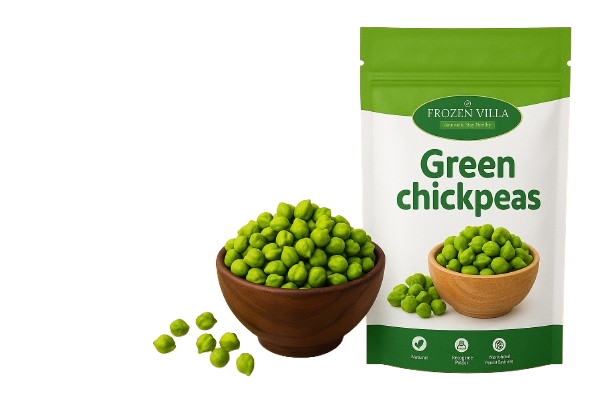
Characteristics Appearance: They are small, round, and bright green, often resembling green peas but with the characteristic shape of a chickpea. Taste and texture: They have a soft, tender, and crisp texture, similar to fresh beans or peas. Their taste is slightly sweeter and less starchy than dried chickpeas.
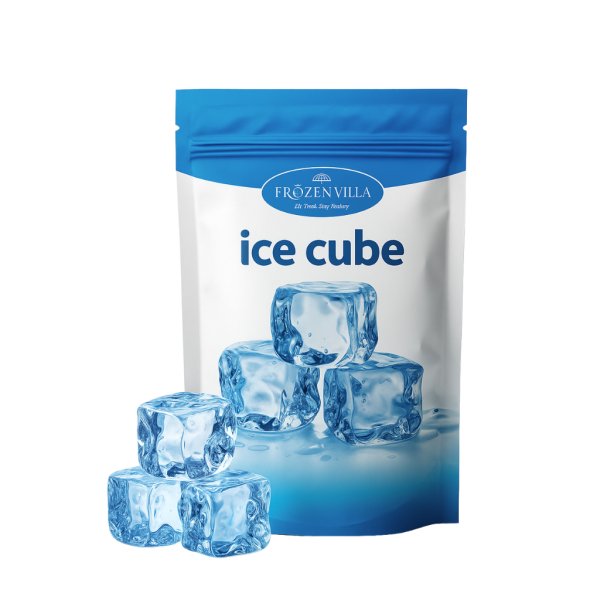
Characteristics Shape: While often cube-shaped, they can also be seen as trapezoidal from the side. Composition: Made from frozen water (H₂O). Temperature: Below freezing point (0 °C or 32 °F). Texture: Smooth and hard. Density: Less dense than liquid water, causing them to float. Clarity: Can range from clear to cloudy, depending on how they are frozen. Production and Uses Production: Produced in freezers using ice trays or in more advanced, automated cube icemakers. Primary Use: To cool drinks by absorbing heat from the liquid as they melt. Other Uses: Can be used for various purposes such as cleaning, skin care, and cooking,
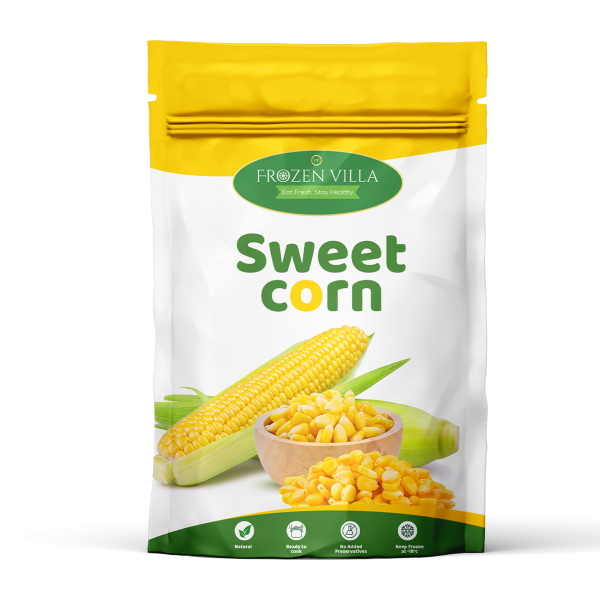
Harvesting: Fresh sweet corn is harvested at its peak ripeness to ensure maximum sweetness and flavor. Cleaning: The harvested corn is thoroughly cleaned to remove husks and impurities. Blanching: The corn kernels are briefly boiled or steamed to stop enzymatic activity that would cause spoilage and to lock in nutrients and color. Cooling: The blanched corn is then rapidly cooled, often using water, to prepare it for freezing. Freezing: The kernels are frozen quickly using technology like IQF, which freezes each kernel individually, preventing them from clumping together. Packaging: The frozen corn is packed into sacks or containers and stored in cold chambers at -18°C (0°F) or below
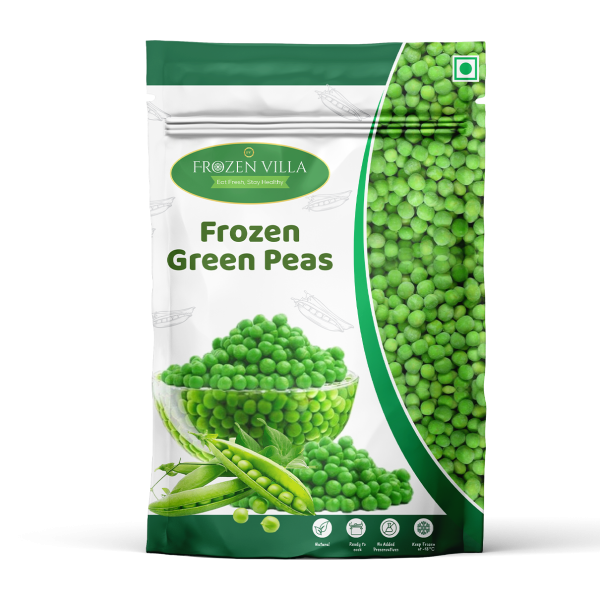
In Indian Cuisine: “Mutter” is the Hindi word for peas, and they are a key ingredient in dishes such as Aloo Mutter (potatoes and peas) and Matar Paneer (peas and Indian cheese Versatility: Frozen peas are a versatile ingredient used in various cuisines for their convenience and nutritional benefits, including their fiber content Convenience: The freezing process allows for long-term storage, making them readily available for use in recipes year-round. Nutritional Value: Rapid freezing helps preserve the nutrients and flavor of fresh peas.